- Why Startup Tools for Entrepreneurs Matter
- Communication and Collaboration Tools
- Slack
- Zoom
- Project Management and Productivity
- Trello
- Asana
- Financial Management Tools
- Wave Accounting
- QuickBooks Self-Employed
- Marketing and Social Media Tools
- Canva
- Buffer
- Customer Relationship Management (CRM)
- HubSpot CRM
- Zoho CRM
- Essential Productivity Enhancers
- Google Workspace
- LastPass
- Conclusion
Startup Tools for Entrepreneurs: Must-Have and Affordable Solutions
Navigating the early stages of a new business can be both exciting and overwhelming. Every entrepreneur faces the challenge of juggling multiple responsibilities, from managing operations to marketing and customer engagement. Fortunately, leveraging the right startup tools for entrepreneurs can streamline processes, improve productivity, and set the foundation for sustainable growth. In this article, we’ll explore essential and affordable tools that budding business owners should consider to make their startup journey smoother and more efficient.
Why Startup Tools for Entrepreneurs Matter
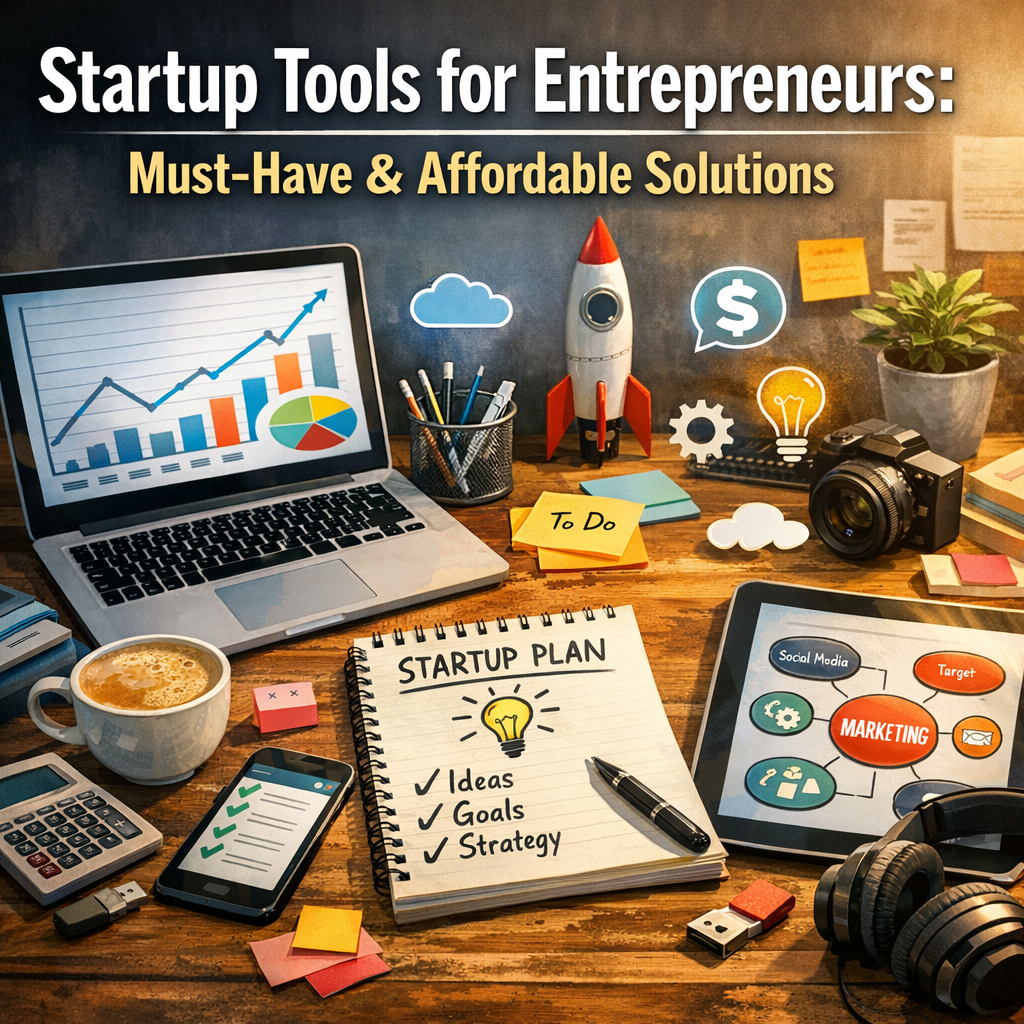
Entrepreneurs often operate with limited time and resources. Investing in the right tools can save countless hours, reduce errors, and minimize operational costs. These tools are designed to automate routine tasks, enhance collaboration, and provide insights that help businesses make informed decisions. While some tools come with premium prices, there are many affordable and even free options that deliver excellent value, making them accessible for startups on a budget.
Communication and Collaboration Tools
Clear communication is the backbone of any successful startup. As teams grow and sometimes operate remotely, having reliable communication platforms is vital.
Slack
Slack is an intuitive messaging app made for teams, offering organized channels, direct messaging, and the integration of numerous other startup tools. It helps entrepreneurs keep conversations focused and reduces email clutter.
Cost: Free basic plan; affordable paid tiers available.
Zoom
For video meetings, Zoom has become an industry standard, especially for remote teams or client meetings. Its ease of use and high-quality video make it suitable for any startup.
Cost: Free for meetings up to 40 minutes; paid plans for extended features.
Project Management and Productivity
Without a structured approach to managing tasks and projects, startups risk missing deadlines and losing focus on priorities.
Trello
Trello’s card-based visual system is great for organizing projects, assigning tasks, and tracking progress. Its drag-and-drop interface is simple yet powerful, ideal for individual entrepreneurs or small teams.
Cost: Free plan includes unlimited cards and boards; premium options available.
Asana
For startups needing more detailed project tracking, Asana offers task dependencies, timelines, and reporting tools that keep everyone aligned.
Cost: Free basic version; premium plans add advanced features.
Financial Management Tools
Maintaining financial health is crucial for any startup. These tools simplify bookkeeping, invoicing, and budgeting, all while ensuring you stay compliant with tax requirements.
Wave Accounting
Wave is a standout free accounting software ideal for small businesses and freelancers. It handles invoicing, expense tracking, and financial reporting, making cash flow management more manageable.
Cost: Free for core accounting and invoicing functions; pay-per-use for payment processing.
QuickBooks Self-Employed
Geared towards solo entrepreneurs, QuickBooks Self-Employed tracks income and expenses, calculates quarterly taxes, and integrates with bank accounts.
Cost: Affordable monthly subscription with a free trial period.
Marketing and Social Media Tools
Getting your startup noticed requires effective marketing strategies, and the right tools can amplify your reach without breaking the bank.
Canva
Creating professional-quality graphics doesn’t require a graphic designer anymore. Canva offers a user-friendly platform packed with templates for social media, presentations, and ads.
Cost: Free tier with plenty of features; Pro version adds customization options.
Buffer
Managing multiple social media platforms can be time-consuming. Buffer allows entrepreneurs to schedule posts, analyze engagement, and manage all accounts from one dashboard.
Cost: Free plan includes limited posts; paid plans for more extensive use.
Customer Relationship Management (CRM)
Building strong relationships with customers is pivotal for growth. CRM tools help track interactions, sales processes, and customer data efficiently.
HubSpot CRM
HubSpot’s free CRM is a powerful tool for startups, providing contact management, email tracking, and pipeline visualization without initial costs.
Cost: Free base CRM; paid add-ons available.
Zoho CRM
Zoho offers a comprehensive CRM solution with automation features and multi-channel communication, making it suitable for startups expecting rapid growth.
Cost: Free limited plan; affordable packages available.
Essential Productivity Enhancers
Besides the core categories above, these additional tools can improve an entrepreneur’s everyday workflow.
Google Workspace
Google Workspace offers cloud-based email, document creation, file storage, and calendar scheduling. Its seamless integration is perfect for startups needing collaborative document editing and secure data storage.
Cost: Pricing starts low per user per month.
LastPass
Security is paramount when handling business accounts. LastPass simplifies password management by securely storing and auto-filling passwords, reducing the risk of breaches.
Cost: Free for individual use; business plans available at reasonable rates.
Conclusion
Choosing the right startup tools for entrepreneurs doesn’t have to be an expensive or complicated endeavor. These affordable and user-friendly solutions can transform how you manage your business, from communication to finances and marketing. By adopting efficient tools early on, entrepreneurs can focus more on innovation and growth while keeping operations smooth and organized. The key is to identify the specific needs of your startup and select tools that integrate well with your workflow, allowing you to build a strong foundation for success.