- Why Online Accounting Tools Are Essential for Modern Finance Management
- Top Features to Look for in Online Accounting Tools
- 1. Automated Invoicing and Billing
- 2. Expense and Income Tracking
- 3. Financial Reporting and Analytics
- 4. Tax Preparation and Compliance
- 5. Multi-User Access and Collaboration
- Best Online Accounting Tools for Effortless Finance Management
- QuickBooks Online
- Xero
- FreshBooks
- Wave Accounting
- Zoho Books
- How to Maximize the Benefits of Online Accounting Tools
- Conclusion
Online Accounting Tools: Must-Have Best Solutions for Effortless Finance Management
In today’s fast-paced digital era, managing finances effectively is critical for both individuals and businesses. Online accounting tools have revolutionized the way we handle our financial operations, providing an efficient and user-friendly platform to oversee transactions, budgets, and reports. Whether you are running a small business, freelancing, or simply managing personal finances, leveraging the right accounting solutions can simplify your financial management and help you stay organized.
Why Online Accounting Tools Are Essential for Modern Finance Management
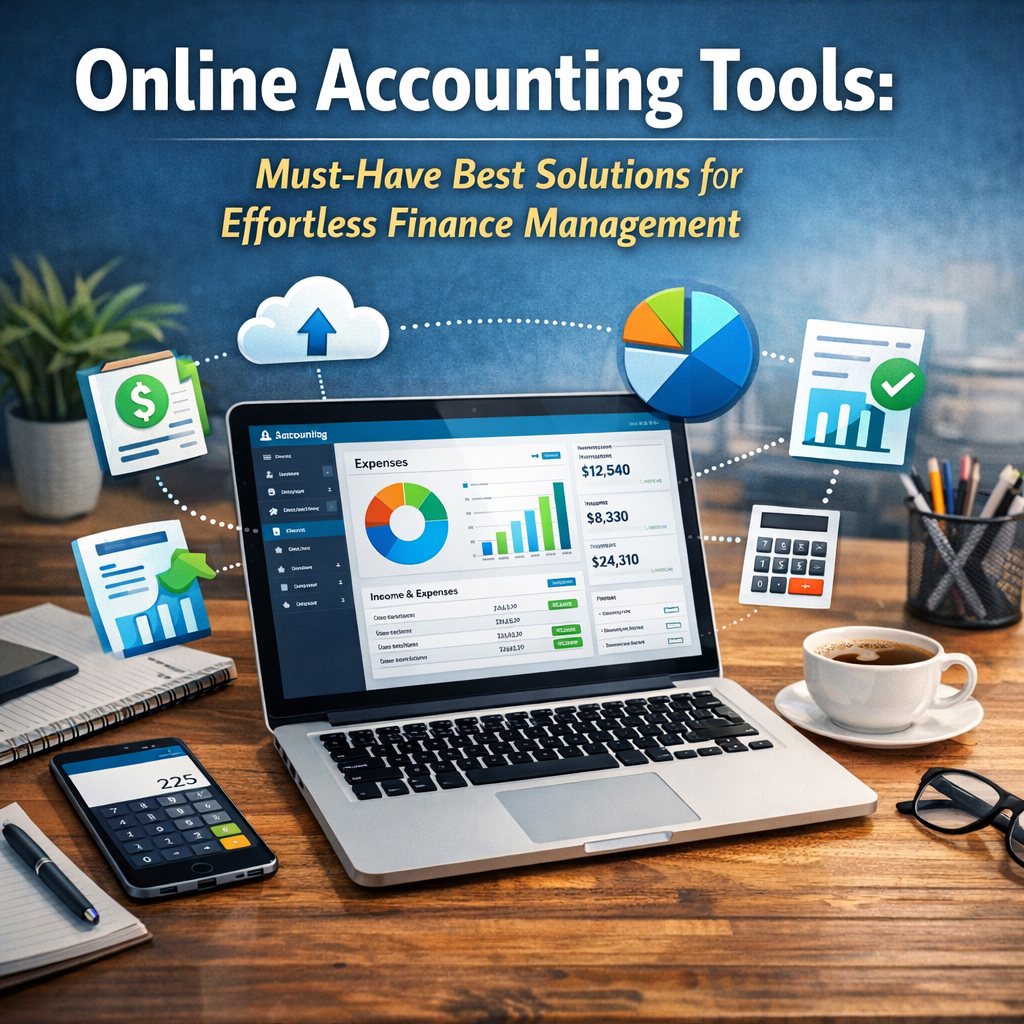
The transition from traditional bookkeeping to online accounting brings numerous advantages. Primarily, online accounting tools centralize your financial data, facilitating real-time access from any device connected to the internet. This flexibility is invaluable in today’s remote and mobile working environments. Moreover, these tools reduce the risk of human error by automating core tasks such as invoicing, expense tracking, and tax calculations.
Another key benefit is the cost-effectiveness they offer. Many online accounting software solutions work on subscription or freemium models, eliminating the need for expensive setups or upgrades. This makes them accessible to startups and small enterprises with limited budgets. Additionally, cloud-based tools frequently update automatically, ensuring users have the latest features and compliance with changing financial regulations.
Top Features to Look for in Online Accounting Tools
Choosing the right online accounting tool depends on your specific financial needs. However, several features are universally beneficial:
1. Automated Invoicing and Billing
Look for software that enables you to create and send professional invoices effortlessly. Tools with automated reminders can prompt clients to pay on time, improving your cash flow.
2. Expense and Income Tracking
A seamless way to log and categorize expenses and income is crucial. Integration with your bank accounts and credit cards helps keep your financial information up-to-date without manual entry.
3. Financial Reporting and Analytics
Insightful reports give a clear picture of your financial health. The best tools generate profit and loss statements, balance sheets, and cash flow reports that are easy to read and interpret.
4. Tax Preparation and Compliance
Good online accounting tools simplify tax preparation with features that organize receipts, calculate tax obligations, and ensure compliance with local laws.
5. Multi-User Access and Collaboration
For businesses, collaboration is vital. Choose solutions that allow multiple users to work simultaneously while controlling access permissions to protect sensitive data.
Best Online Accounting Tools for Effortless Finance Management
Several platforms stand out for their comprehensive features, ease of use, and affordability:
QuickBooks Online
QuickBooks is one of the most popular online accounting tools globally, known for its robust functionalities. It caters to small and medium-sized businesses with features like invoice creation, expense tracking, payroll, and advanced reporting. Its intuitive dashboard and mobile app offer flexibility and convenience.
Xero
Xero is favored by startups and growing businesses for its user-friendly interface and extensive integrative capabilities with other financial apps. It offers real-time bank reconciliation, customizable invoices, and insightful financial reports.
FreshBooks
Ideal for freelancers and service-based businesses, FreshBooks focuses on simplifying invoicing and time tracking. The platform enables easy expense management, online payment options, and project profitability monitoring.
Wave Accounting
Wave Accounting is an excellent free solution for individuals and small businesses with basic needs. It offers invoice management, receipt scanning, and bank transaction imports with an easy-to-navigate interface.
Zoho Books
Zoho Books is part of the larger Zoho suite and is perfect for businesses needing more than just accounting. It includes modules for inventory management, purchase orders, and automated workflows.
How to Maximize the Benefits of Online Accounting Tools
Adopting online accounting tools is just the first step toward financial control. Here are some tips to get the most out of your software:
– Regularly Update Your Data: Consistently enter your transactions and review reports to avoid backlog and catch discrepancies early.
– Integrate with Other Business Tools: Link your accounting software with CRM, payroll, or inventory systems for a seamless workflow.
– Train Your Team: Ensure that everyone involved in the financial processes understands how to use the platform effectively.
– Leverage Automation: Take advantage of built-in automation for recurring invoices, bill payments, and financial reminders.
– Secure Your Data: Enable two-factor authentication and maintain backups to protect your sensitive financial information.
Conclusion
Online accounting tools have become indispensable in achieving effortless finance management. They save time, reduce errors, enhance decision-making, and provide greater financial transparency. By selecting the right tool tailored to your needs and utilizing its features fully, you can streamline your accounting processes efficiently. Whether you’re managing personal budgets or scaling a business, embracing these digital solutions empowers you to focus on growth while keeping your finances in check.