- Why Is Accounting Software Important for Startups?
- Key Features to Look for in Accounting Software for Startups
- Top Accounting Software for Startups Reviewed
- 1. QuickBooks Online
- 2. Xero
- 3. FreshBooks
- 4. Wave Accounting
- 5. Zoho Books
- Tips for Choosing the Right Accounting Software for Your Startup
- Conclusion
Accounting Software for Startups: The Best Must-Have Solutions Reviewed
Starting a new business can be an exhilarating yet challenging journey, especially when it comes to managing finances accurately and efficiently. Accounting software for startups plays a critical role in helping entrepreneurs keep track of income, expenses, taxes, and overall financial health. Choosing the right platform can save precious time, reduce errors, and provide insightful reports that help drive strategic decisions. In this article, we’ll review some of the best must-have accounting software solutions tailored to meet the unique needs of startups.
Why Is Accounting Software Important for Startups?
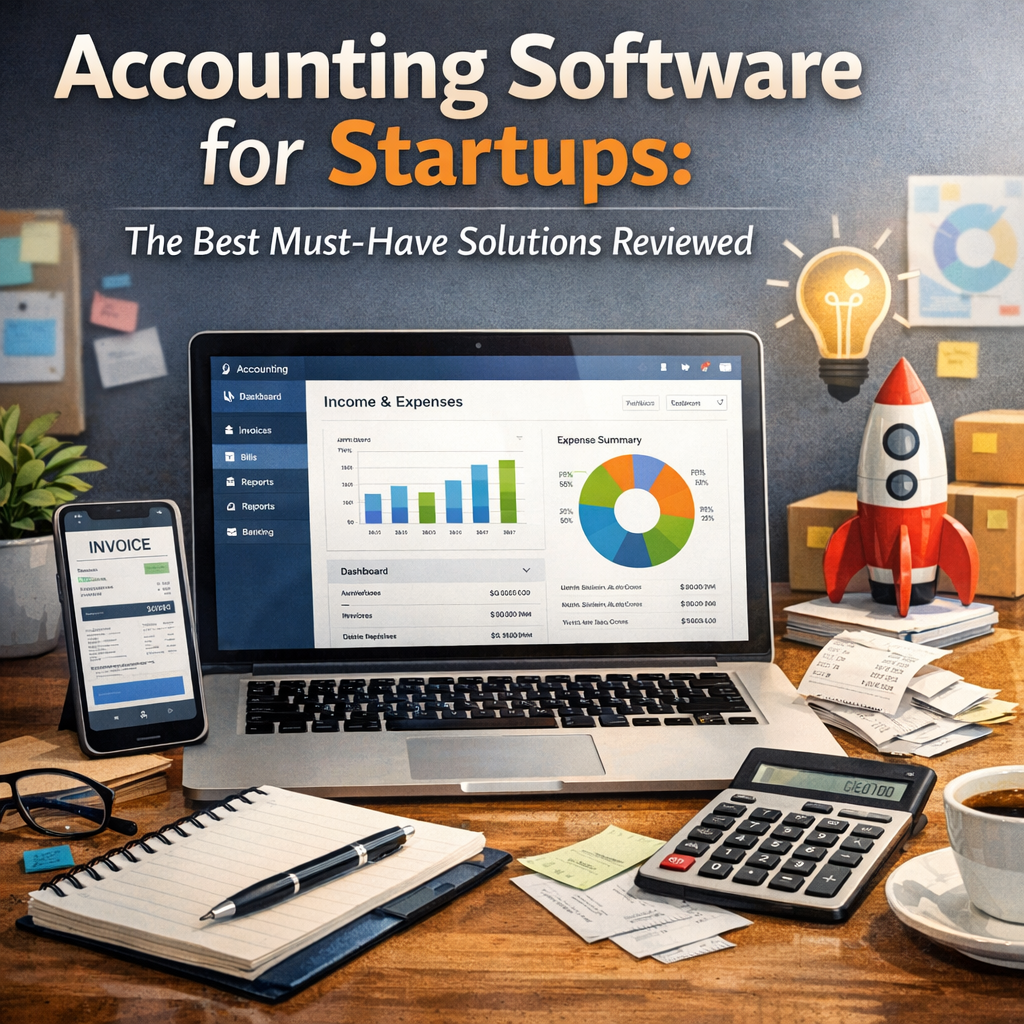
Managing financial records manually or using spreadsheets might seem manageable in the early days, but it quickly becomes overwhelming as your business grows. Accounting software for startups automates many of these processes, offering features such as invoicing, expense tracking, payroll management, tax filing assistance, and financial reporting. This automation not only reduces the likelihood of errors but also provides clarity and financial transparency — critical factors for securing funding and scaling operations.
Moreover, most startups operate on tight budgets and limited resources. The right accounting tools can help maximize efficiency, improve cash flow management, and ensure compliance with tax regulations, all of which are crucial for early-stage companies.
Key Features to Look for in Accounting Software for Startups
When evaluating accounting software for startups, consider the following essential features:
– User-friendly Interface: A simple, intuitive design helps non-accountants navigate expense tracking, invoicing, and reports without frustration.
– Scalability: Startups need software that grows with them, offering more advanced features and integrations as complexity increases.
– Cost-effectiveness: Budget-friendly pricing tiers and transparent costs matter for cash-conscious startups.
– Automation capabilities: Automated invoicing, bank reconciliations, and recurring transactions save valuable time.
– Cloud-based access: Cloud software allows access from anywhere and supports remote teams, a growing need in today’s business environment.
– Tax compliance: Built-in tax calculations, filing assistance, and regulatory updates prevent costly mistakes.
– Integration options: Seamless connection with payment gateways, payroll services, CRM, and e-commerce platforms boosts productivity.
Top Accounting Software for Startups Reviewed
1. QuickBooks Online
QuickBooks Online is among the most popular accounting software for startups due to its comprehensive features and user-friendly dashboard. It supports invoicing, expense tracking, payroll, monitoring sales tax, and generating financial reports. Its cloud-based platform means data is accessible on-the-go, which suits startups with remote or mobile teams.
Pros:
– Extensive feature set suitable for startup growth
– Large ecosystem of integrations and add-ons
– Automated bank reconciliations and receipt capture
Cons:
– Can be more expensive than simpler solutions
– Occasional learning curve for advanced features
2. Xero
Xero is another excellent option, especially popular among startups looking for global scalability and multiple user access. It offers real-time financial data, bank feed imports, and powerful mobile apps.
Pros:
– Unlimited users even on basic plans
– Robust invoicing and inventory management
– Integration with over 800 third-party apps
Cons:
– Payroll is only included in certain regions or plans
– Some advanced features require add-ons
3. FreshBooks
FreshBooks is ideal for startups that require simple and elegant solutions for invoicing and expense management, particularly those offering freelance services or projects.
Pros:
– Intuitive interface tailored for non-accountants
– Strong time tracking and project management features
– Automated reminders and recurring invoices
Cons:
– Limited inventory management features
– May lack advanced reporting tools for larger startups
4. Wave Accounting
Wave Accounting is a free accounting solution often favored by very small startups or sole proprietors. It provides basic accounting, invoicing, and receipt scanning without monthly fees.
Pros:
– Completely free for core accounting features
– Easy to set up and use
– Good for startups on a tight budget
Cons:
– Limited scalability for growing companies
– Paid add-ons like payment processing and payroll
5. Zoho Books
Zoho Books is part of the Zoho suite of business tools, making it a great choice for startups already using or planning to use Zoho products. Its automation and collaboration features are well suited for startups preparing for scale.
Pros:
– Strong automation and workflow tools
– Comprehensive tax compliance features
– Affordable pricing plans
Cons:
– Limited third-party integrations compared to others
– User interface may be less polished than some competitors
Tips for Choosing the Right Accounting Software for Your Startup
– Assess your current and future needs: Consider the size of your team, industry-specific requirements, and growth plans.
– Try free trials: Most software providers offer free trial periods so you can explore features before committing.
– Look for local tax compliance: This is critical depending on your country or region.
– Consider integration capabilities: Align your accounting software with existing tools like CRM, payroll, or inventory systems.
– Prioritize ease of use: Select a platform your team can learn quickly to avoid bottlenecks.
Conclusion
Investing in the right accounting software for startups lays a strong foundation for financial management and business success. Solutions like QuickBooks Online, Xero, FreshBooks, Wave, and Zoho Books each have unique strengths tailored to different startup needs. By understanding your specific requirements and trying out multiple options, you can find the tool that simplifies your bookkeeping, supports growth, and gives you peace of mind to focus on building your business.
Choosing the best accounting software early not only saves headaches down the road but also empowers you with the financial insights needed to make smarter decisions and compete effectively in your market. Take advantage of the digital tools available today and set your startup on the path to greater profitability and efficiency.