- Understanding the Importance of Scrum Tools in Agile Project Management
- Key Features to Look for in Scrum Tools
- Top Scrum Tools for Effortless Project Success
- 1. Jira Software
- 2. Trello
- 3. Asana
- 4. Monday.com
- 5. ClickUp
- Tips for Choosing the Right Scrum Tools
- Conclusion: Achieving Project Success with the Right Scrum Tools
Scrum Tools: Top Must-Have Solutions for Effortless Project Success
In today’s fast-paced and ever-evolving business landscape, scrum tools have become essential for teams looking to enhance collaboration, streamline workflows, and deliver projects on time. Scrum, as an agile framework, emphasizes iterative progress, team communication, and adaptability. However, without the right tools, managing scrum processes can quickly become overwhelming. Fortunately, a variety of scrum tools are designed to simplify these tasks, making project success more attainable than ever.
Understanding the Importance of Scrum Tools in Agile Project Management
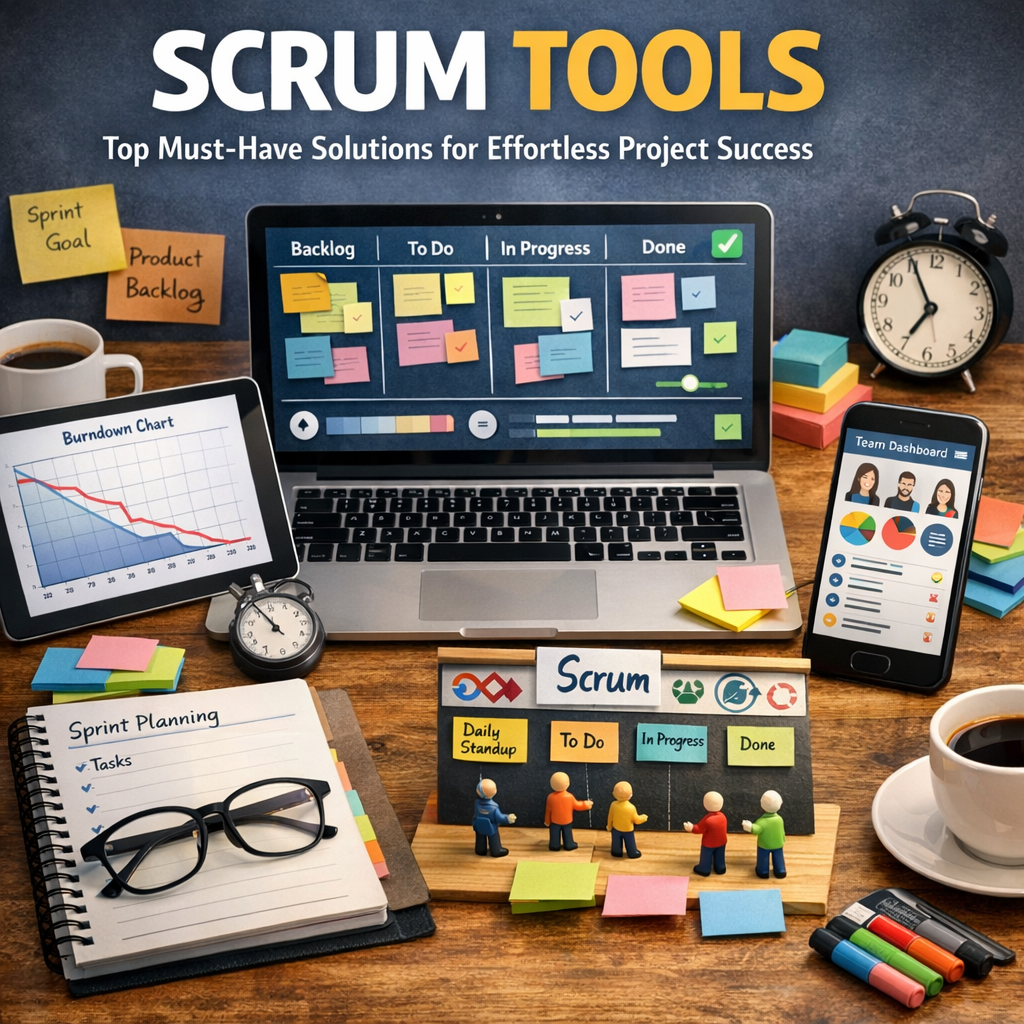
Scrum tools help teams implement the core practices of scrum effectively. From sprint planning and backlog management to daily stand-ups and retrospectives, these tools provide a digital space where everyone can stay aligned. They offer visibility into task progress, deadlines, and team responsibilities, allowing project managers and team members to respond promptly to any challenges.
By using appropriate scrum tools, teams benefit from increased transparency, better resource allocation, and faster decision-making. Ultimately, this drives productivity and helps deliver a higher quality product that meets stakeholder expectations.
Key Features to Look for in Scrum Tools
Before diving into the top solutions available, it’s essential to understand what makes a scrum tool effective. Here are some crucial features that teams should expect from their scrum software:
– User-Friendly Interface: Complexity can deter team engagement. An intuitive dashboard and smooth navigation are vital.
– Sprint Planning Capabilities: Ability to create, prioritize, and manage product backlogs and sprint backlogs.
– Task Boards and Visual Management: Kanban or scrum boards help visualize work stages.
– Collaboration Features: Real-time chat, comments, file sharing, and notifications foster teamwork.
– Reporting and Analytics: Burn-down charts, velocity tracking, and sprint reports provide insights for continuous improvement.
– Integration: Compatibility with other tools like version control systems, communication platforms, and calendars.
– Customization: Flexibility to tailor workflows and task types to fit team needs.
Top Scrum Tools for Effortless Project Success
1. Jira Software
Jira is arguably the most popular scrum tool for agile teams, widely recognized for its extensive functionality tailored towards software development projects. Developed by Atlassian, it offers comprehensive backlog management, sprint planning, and customizable scrum boards. Jira’s powerful reporting tools include burndown charts and velocity charts, which are crucial for sprint reviews and retrospectives.
Integration is one of Jira’s strengths; it seamlessly connects with Confluence for documentation, Bitbucket for version control, and hundreds of other apps. While it can be complex for beginners, its scalability suits both small startups and large enterprises.
2. Trello
For teams seeking simplicity, Trello stands out as a visual scrum tool that uses boards, lists, and cards to organize tasks. Trello supports agile workflows with easy-to-use drag-and-drop cards, labels, due dates, and checklists. Power-ups (integrations) extend its functionality considerably, including integrations with Slack, Google Drive, and GitHub.
Trello is ideal for smaller teams or those new to scrum looking for a straightforward and visual way to manage sprints without the steep learning curve associated with some other tools.
3. Asana
Asana combines task management with powerful collaboration features, making it an attractive scraper tool for cross-functional teams. It offers customizable project views such as list, board, timeline, and calendar, which aid in sprint planning and progress tracking. The platform allows teams to create dependencies, set priorities, and automate repetitive tasks.
Its user-friendly interface and flexible structure accommodate scrum practices well, providing enough structure while maintaining adaptability.
4. Monday.com
Monday.com is a versatile work operating system that supports scrum methodology through its customizable workflows. It lets teams create scrum boards, track sprints, assign tasks, and visualize project timelines with Gantt charts.
With its rich automation features and integrations, Monday.com helps reduce manual work and promotes efficient communication, keeping the scrum cycle streamlined and transparent.
5. ClickUp
ClickUp is an all-in-one project management tool with strong scrum tool credentials. It offers sprint management features, including story points, task statuses, and time tracking. Teams can switch between multiple views—list, board, calendar, and Gantt—to accommodate different working styles.
ClickUp also emphasizes customization and automation, making it a reliable tool for various industries adopting scrum frameworks.
Tips for Choosing the Right Scrum Tools
Selecting the perfect tool depends on your team’s size, workflow complexity, and specific needs. Here are a few pointers to ensure you pick the best fit:
– Assess User Experience: Ensure the tool matches your team’s comfort with technology.
– Trial Runs: Utilize free trials or freemium versions before committing financially.
– Integration Check: Verify it works well with your existing tech stack.
– Scalability: Choose a tool that can grow with your team.
– Support and Community: Strong customer support and an active user community are invaluable.
Conclusion: Achieving Project Success with the Right Scrum Tools
The right collection of scrum tools can transform how teams handle projects, making the entire process smoother, more transparent, and less stressful. Whether you aim for sophisticated software like Jira or prefer simplicity with Trello, the key is to find tools that enhance collaboration, provide clear visibility, and adapt to your team’s unique needs.
By leveraging these top scrum tools, teams elevate their agile practices, increase productivity, and set themselves on the path toward consistent project success—effortlessly.