- Why Use Agile Project Tools?
- Key Features to Look for in Agile Project Tools
- Top Must-Have Agile Project Tools for Effortless Success
- 1. Jira Software
- 2. Trello
- 3. Asana
- 4. Monday.com
- 5. Azure DevOps
- Best Practices Using Agile Project Tools
- Final Thoughts
Agile Project Tools: Top Must-Have Solutions for Effortless Success
In today’s fast-paced business environment, agile project tools have become indispensable for teams striving to deliver high-quality products efficiently. The agile methodology emphasizes flexibility, collaboration, and continuous improvement, making the right tools crucial for managing workflows and communication. Whether you’re new to agile or looking to optimize your current processes, understanding the key agile project tools available can dramatically improve project outcomes and team productivity.
Why Use Agile Project Tools?
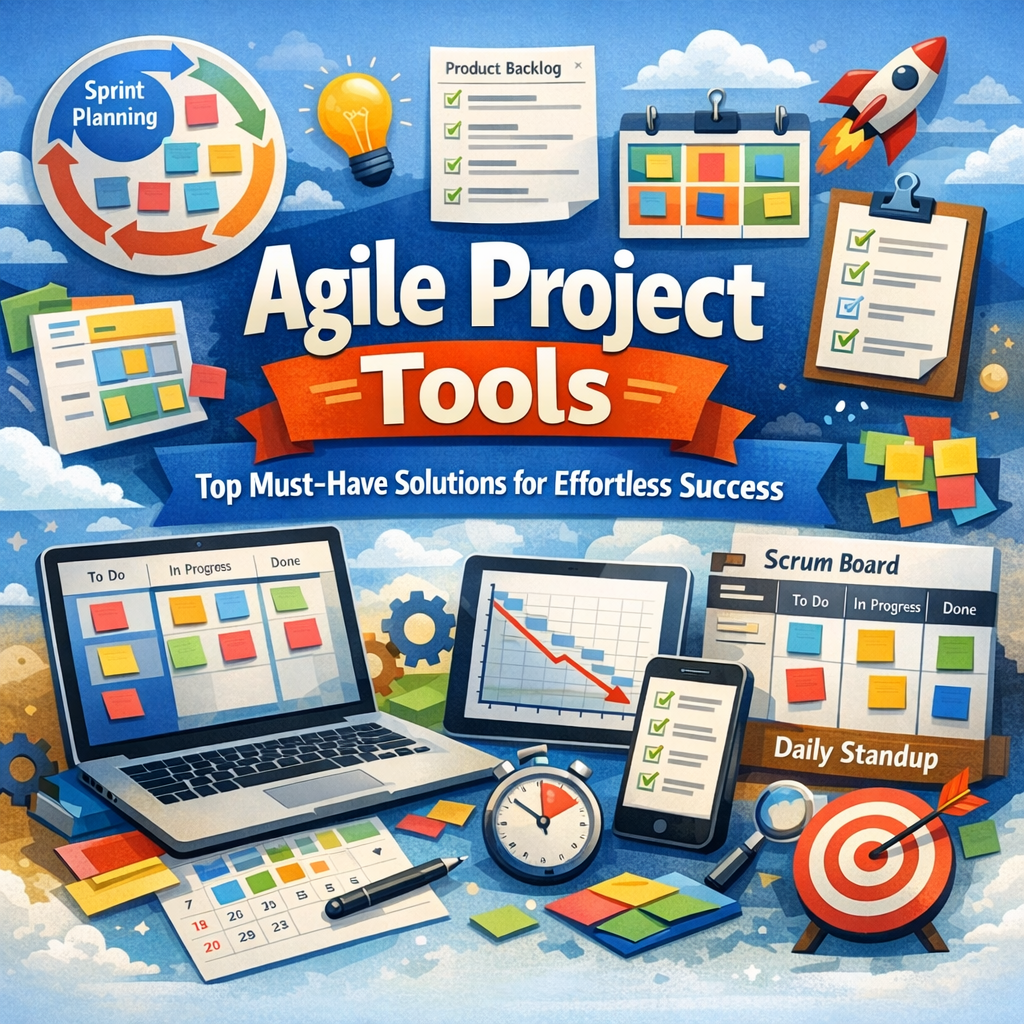
Agile project management prioritizes adaptability and rapid iteration, which can be challenging to uphold without proper support systems. Agile project tools help teams maintain visibility into their progress, manage backlogs, and facilitate effective communication across departments. They also provide real-time analytics and feedback mechanisms, enabling quick decision-making and fostering collaboration. These tools ensure that agile principles translate into practical, seamless project execution rather than just theoretical frameworks.
Key Features to Look for in Agile Project Tools
Before diving into the top solutions, it’s important to understand what features make agile project tools stand out:
– Backlog Management: Organize, prioritize, and track project requirements or tasks easily.
– Sprint Planning: Plan, execute, and monitor sprints to ensure timely delivery.
– Task Boards and Kanban: Visual workflow management to increase transparency.
– Collaboration Tools: Enable communication through chats, comments, and file sharing.
– Reporting and Analytics: Offer insights into team performance, velocity, and timelines.
– Integration Capabilities: Connect with other software like version control, CI/CD pipelines, or time-tracking tools.
Top Must-Have Agile Project Tools for Effortless Success
1. Jira Software
Jira is widely regarded as the industry standard for agile project management. It offers unparalleled backlog and sprint management capabilities, customizable workflows, and robust reporting features. Teams can create user stories, assign tasks, and track progress on interactive Scrum or Kanban boards. Jira’s integration with tools like Confluence and Bitbucket makes it a versatile choice for software development teams seeking comprehensive agile support.
2. Trello
Known for its simplicity and visual appeal, Trello uses a card-and-board system ideal for smaller teams or those new to agile. Its drag-and-drop interface allows easy task assignment and progress tracking. With numerous Power-Ups and integrations, Trello can extend its functionality without overwhelming users—not to mention its flexibility for non-technical teams.
3. Asana
Asana is a powerful task and project management tool that supports agile methodologies with features like customizable workflows, milestone tracking, and timeline views. It excels in fostering cross-functional collaboration, allowing stakeholders to stay informed and aligned. Asana’s user-friendly interface and automation capabilities save time and reduce manual updates throughout the project lifecycle.
4. Monday.com
Monday.com offers a highly customizable platform that blends project management with work operating systems. Its visual dashboards, automated notifications, and easy integrations make it suitable for a range of agile teams. Managers can create templates specific to Scrum or Kanban, and team members can update statuses with minimal friction.
5. Azure DevOps
Especially popular among enterprises, Azure DevOps provides end-to-end solutions for agile teams with features for backlog management, pipeline automation, and testing tools. It supports the entire software development lifecycle, facilitating collaboration between development and operations teams. Azure DevOps is trusted for its scalability and tight integration with Microsoft’s ecosystem.
Best Practices Using Agile Project Tools
Even the best tools require thoughtful implementation to drive success:
– Keep it Simple: Focus on essential features that address your team’s pain points to avoid tool fatigue.
– Customize Workflows: Tailor tools to reflect your unique processes instead of forcing teams into rigid structures.
– Encourage Team Adoption: Provide adequate training and encourage open feedback on tool usage.
– Regularly Review Metrics: Use data from tools to improve sprint planning and identify bottlenecks early.
– Integrate Communication: Combine agile project tools with communication platforms to keep everyone aligned in real-time.
Final Thoughts
Selecting the right agile project tools is a critical step toward ensuring smooth, efficient project delivery. They not only facilitate task organization and monitoring but also promote collaboration and transparency among teams. Whether using Jira for in-depth software development projects or Trello for lightweight task management, these solutions empower agile teams to embrace flexibility without losing sight of deadlines and quality.
Effortless success in agile projects comes from aligning the right tools with your processes and maintaining a focus on continuous improvement. By leveraging the top must-have agile project tools discussed here, teams can enhance productivity, adapt quickly to change, and ultimately deliver exceptional results with confidence.