- Why Product Management Tools Are Essential
- Key Features to Look for in Product Management Tools
- Top Must-Have Product Management Tools for Effortless Success
- 1. Jira
- 2. Trello
- 3. Monday.com
- 4. Productboard
- 5. Asana
- 6. Aha!
- How to Choose the Right Product Management Tools
- Conclusion
Product Management Tools: Top Must-Have Solutions for Effortless Success
In today’s fast-paced and competitive business landscape, product management tools have become indispensable for teams striving to deliver outstanding products efficiently. Whether you’re leading a startup or managing a product within a large corporation, leveraging the right tools can streamline workflows, improve collaboration, and enhance decision-making. These solutions empower product managers to handle everything from roadmapping and task management to analytics and customer feedback—all while keeping the entire team aligned. In this article, we’ll explore some of the top must-have product management tools that can drive your product’s success with minimal hassle.
Why Product Management Tools Are Essential
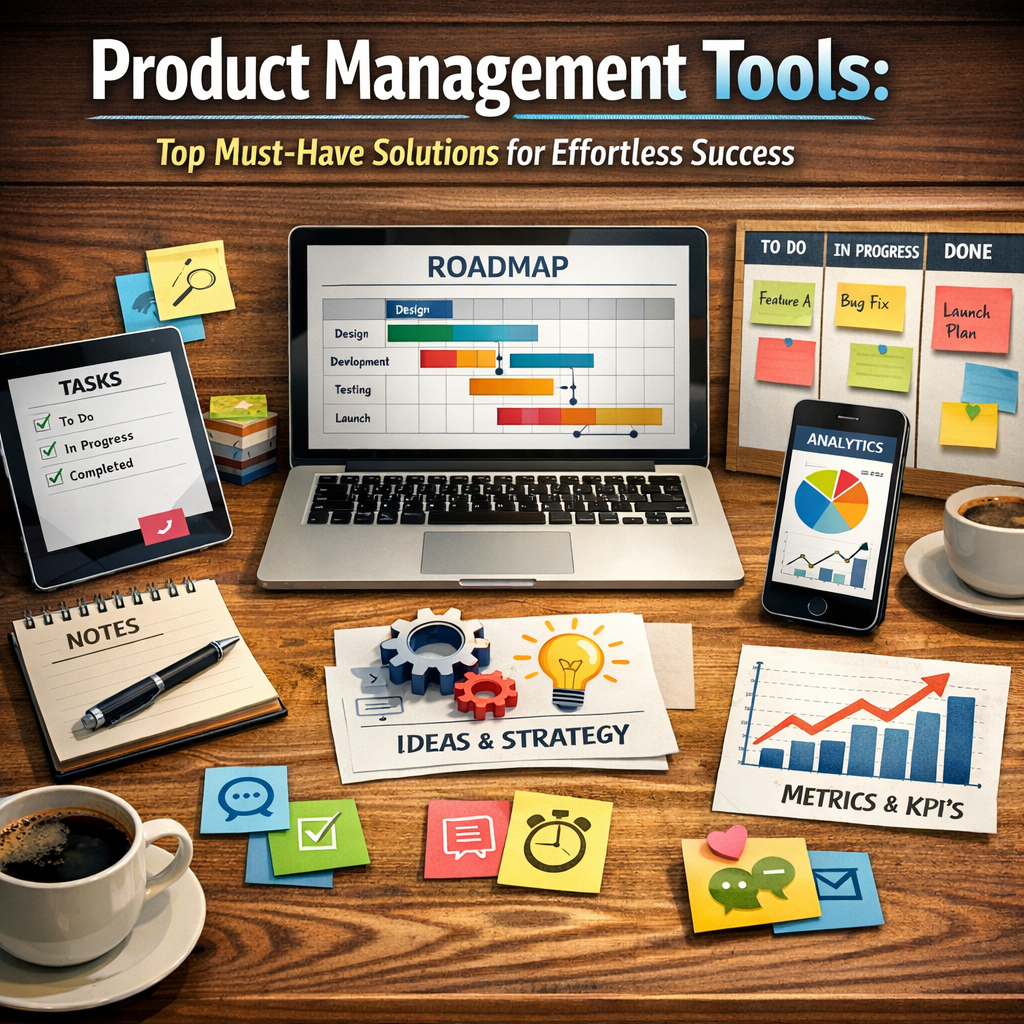
Before diving into specific tools, it’s important to understand why product management tools are vital for any product development process. Managing a product involves juggling multiple responsibilities: setting priorities, coordinating cross-functional teams, tracking progress, gathering user insights, and responding quickly to changing requirements. Without proper systems in place, it’s easy for communication to break down or important tasks to slip through the cracks.
Product management tools serve as centralized hubs where information is organized and shared seamlessly. They provide visibility into project status and resource allocation, foster transparency across teams, and support data-driven decision-making. The right software reduces manual overhead and helps teams focus on what matters most: delivering value to customers.
Key Features to Look for in Product Management Tools
When evaluating product management tools, consider these features that can make the biggest impact:
– Roadmapping and Planning: Tools should enable visual mapping of product goals, timelines, and milestones.
– Task and Workflow Management: Clear task assignment and progress tracking keep everyone accountable.
– Collaboration Capabilities: Real-time commenting, notifications, and integration with communication apps boost teamwork.
– Customer Feedback Integration: Collecting and analyzing user input helps shape product improvements.
– Analytics and Reporting: Powerful dashboards and metrics provide insights into product performance.
– Flexibility and Customization: Adaptability to your team’s processes ensures widespread adoption.
– Integration with Other Tools: Seamless connection with development, marketing, and support platforms reduces friction.
Top Must-Have Product Management Tools for Effortless Success
1. Jira
Jira by Atlassian is one of the most widely used product management tools, particularly among software teams. It excels at issue tracking and agile project management, offering extensive customizable workflows that fit various methodologies like Scrum and Kanban. Jira’s powerful integration ecosystem allows it to connect with code repositories, design tools, and customer support platforms, creating a comprehensive product management environment. Its reporting features also assist in tracking velocity and sprint progress.
2. Trello
Trello is a user-friendly, visual tool known for its simple kanban board interface. It’s perfect for teams looking for flexibility without a steep learning curve. Trello lets users create customizable boards, lists, and cards with due dates, attachments, and labels to organize tasks efficiently. The tool’s power-ups extend its capabilities, integrating with calendars, automation, and other productivity software. It’s a great option for small teams or projects that don’t require complex planning.
3. Monday.com
Monday.com offers an intuitive, highly visual platform designed to manage everything from product roadmaps to daily workflows. Its drag-and-drop interface allows product managers to create custom dashboards reflecting timelines, dependencies, budgets, and more. Collaboration is streamlined with features like shared documents, real-time updates, and automated notifications. The ability to tailor workflows to your specific product development process makes Monday.com suitable for diverse industries.
4. Productboard
Specifically designed for product managers, Productboard focuses on prioritizing features based on customer feedback and business objectives. It aggregates user insights, feature requests, and market research to inform product roadmaps. This tool helps teams ensure product development aligns tightly with customer needs and strategic goals. Additionally, its integration with development tools ensures smooth hand-off from planning to execution.
5. Asana
Asana combines task management with project tracking to keep teams organized and on schedule. It offers boards, lists, timelines, and calendar views, making it easy to visualize work from different perspectives. Asana’s collaboration features enable seamless communication around specific tasks or projects, reducing the need for lengthy meetings. With integrations that connect design, development, and communication tools, Asana supports product teams end-to-end.
6. Aha!
Aha! is a comprehensive product management suite that supports strategic planning, idea management, roadmapping, and reporting. It excels in aligning product goals with company strategy, making it ideal for enterprises seeking to scale their product operations. Aha! also offers detailed analytics to measure progress and impact, helping leadership stay informed and engaged.
How to Choose the Right Product Management Tools
Selecting product management tools that fit your team’s needs involves considering factors such as team size, budget, product complexity, and preferred workflows. Some teams might prioritize tools with strong agile development support, while others focus on user feedback integration or stakeholder alignment features.
Here are some questions to guide your decision:
– What are the key challenges in your current product management process?
– Which features will provide the biggest improvement in efficiency and collaboration?
– What is the learning curve and adoption rate your team can handle?
– Does the tool integrate well with your existing tech stack?
– How scalable is the solution as your product and team grow?
Conclusion
Utilizing the right product management tools is a game-changer for achieving effortless success in delivering valuable products. From powerful project trackers like Jira and Asana to specialized platforms like Productboard, there is a vast landscape of solutions tailored to various needs. By thoughtfully choosing and implementing these tools, product managers can elevate their workflow, maintain transparency, and build products that truly resonate with customers—while reducing stress and inefficiencies along the way.
Invest time in evaluating the tools highlighted here to find the perfect match for your team. The right product management tools not only help manage work but also inspire innovation and collaboration, paving the way for your next big success.